Guides
Packaging auto repair shop services customers understand for 2027
A 17-package menu for 2027 works when each auto repair item states its scope, its price, its warranty length, and the specific repairs it excludes.
What to take away
What to take away
- A package is a defined scope with a price, not a list of checks the advisor improvises at the counter.
- Sell the diagnostic as its own stage and get written approval before deeper testing.
- Price each package so parts, labor, and the comeback it invites are all covered.
- Inspection findings become a quoted repair, never an automatic add-on.
- Review the menu twice a year against your own tickets, not a national average.
This article is general business information. Licensing, repair authorization, estimates, inspections and technician credentials vary by jurisdiction, so confirm current requirements through your state DMV or the shop licensing and compliance guide before you sell anything new.
Seventeen packages, one page each
Write each package as a single page: what is checked, what is measured, what is excluded, what it costs, and how long the bay is held. The scope line is the one customers read first, so keep it to one sentence.
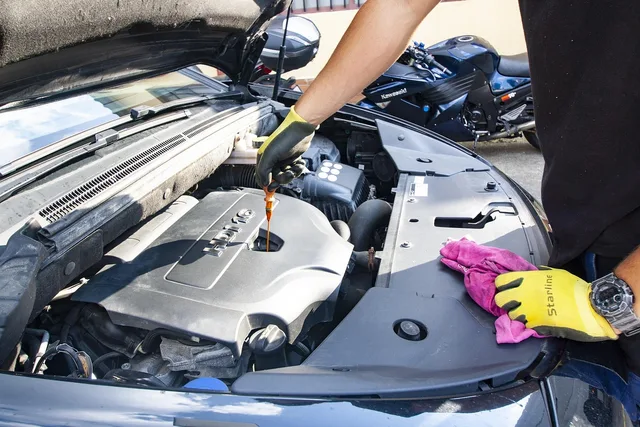
- Oil service.State fluid specification, filter part number, and whether the drain plug and crush washer are replaced. Exclude leaks found during the drain.
- Safety inspection.Name the inspection points and the pass or fail threshold for each. Findings become a quoted repair.
- Battery and charging check.Record test conditions and results. A failed test opens an electrical diagnostic, sold separately.
- Cooling system check.Pressure, leak, temperature and fluid condition. Refrigerant work follows EPA Section 609 rules and stays out of this package.
- Pre-trip inspection.Tires, brakes, fluids, lights, battery, wipers. A fixed checklist, a fixed price, and no repair authorization attached.
- Winter readiness.Cold-cranking check, battery terminals, wipers, washer fluid rated for your climate. Skip the replacement bundle.
- Summer A/C check.Separate a performance measurement from refrigerant diagnosis and repair.
- New-driver review.A safety inspection plus a written, prioritized report explained to the driver and the person paying.
- Used-car pre-purchase inspection.Document observable condition, scan results, road test and limits. State in writing that it is not a guarantee.
- Ride-share maintenance plan.Set intervals from actual mileage records and the vehicle manufacturer's schedule, not a generic 5,000-mile rule.
- Small-fleet preventive plan.Define vehicles, intervals, who approves work, reporting format, billing terms and after-hours exceptions.
- Tire rotation and balance.State wheel and tire limits, TPMS sensor handling, balance scope and torque procedure.
- Alignment assessment.Tire wear, steering and suspension checks, then measurements. Repairs need separate authorization.
- Check-engine diagnostic.Sell a defined first stage. Deeper system testing is a second approval.
- Post-repair verification.Quality check, scan, road test, leak check, warning lights, and a walkthrough with the customer.
- Maintenance catch-up.Rank overdue work by condition and consequence instead of presenting every line as urgent.
- Hybrid and EV inspection.Define the inspection scope and exclude high-voltage work beyond your technicians' current authorization and training.
Which of these actually carries margin, and how to model it, is set out in most profitable auto repair shop services. The customer-facing wording for each one is covered in how to package auto repair shop services.
Pricing a package so it survives a comeback
Start with the parts cost, then the labor hours the job actually takes in your bays, not the book time. Multiply hours by your burdened labor cost: wages plus payroll taxes, insurance and benefits. Add overhead per bay hour. That total is your floor.
Pricing a Package Floor
- Start with parts cost
- Use actual bay labor hours
- Multiply by burdened labor cost
- Add overhead per bay hour
- Set price above floor for comebacks
Set the price above the floor by enough to absorb one comeback in every ten jobs of that type. Track the rate yourself from your own repair orders. A package that returns twice a month is priced wrong or scoped wrong, and usually both.
Diagnostic stages deserve their own line. An underpriced diagnostic trains customers to expect free testing and leaves the technician unpaid for the hour that found the fault.
What the package page must say
What the package page must say
- Scope
- The checks and measurements included
- Exclusions
- Work that opens a new quote
- Price
- Flat price, or the hourly rate and expected hours
- Time
- Bay time reserved
- Authority
- Who approves added work, and how
Two documents sit behind the menu. ASE certification tells a customer which specialties your technicians hold, and the NHTSA recall lookup lets an advisor check open safety recalls by VIN during the write-up.
Warranty language on the page has to match what you actually honor. The FTC warranty law guide explains the disclosure duties that attach when a written warranty covers parts and workmanship.
Common questions
How many packages should a shop offer?
Seventeen is a menu, not a sales script. Most shops actively promote six to eight and keep the rest available on request. Cut any package that has not sold in six months.
Should inspections include the repair?
No. The inspection is a paid measurement. Quote the repair separately and let the customer approve it, which also keeps the inspection price honest.
Who sets the rules for A/C and EV work?
The EPA sets refrigerant handling rules under Section 609, and vehicle manufacturers set high-voltage procedures. Your technicians follow OEM service information, and any high-voltage work goes to someone trained and authorized for it.
How often should the menu be reviewed?
Twice a year, against your own repair orders. Compare comeback rate, average ticket and bay time per package. The services and packages guide covers the wider menu structure.