Guides
Detroit's supplier network and how it feeds local repair shops
Detroit auto repair suppliers sit near the factories, giving local shops same-day will-call, tiered OEM and aftermarket pricing, and tight ordering routines.
What to take away
- Detroit auto repair suppliers sit within a few miles of the plants that build the parts, so will-call is often same day and freight is rarely the deciding cost.
- Jobbers and warehouse distributors carry the fast-moving lines; dealer parts networks hold the OEM catalog and the VIN-specific pieces independents cannot stock.
- Tool and equipment distributors in the metro run demo trucks and loaner programs, which changes the math on new versus used purchases.
- Lead times run from same-day will-call to a few days for dealer orders, and a disciplined daily ordering routine keeps bays from idling.
- OEM parts protect margin on late-model and warranty-adjacent work; aftermarket wins on older vehicles where the customer is price-sensitive.
Why Detroit auto repair suppliers sit closer to the factory than most markets
Detroit is still the center of North American vehicle assembly, and the supplier tier that feeds those plants sits in the same industrial corridor.
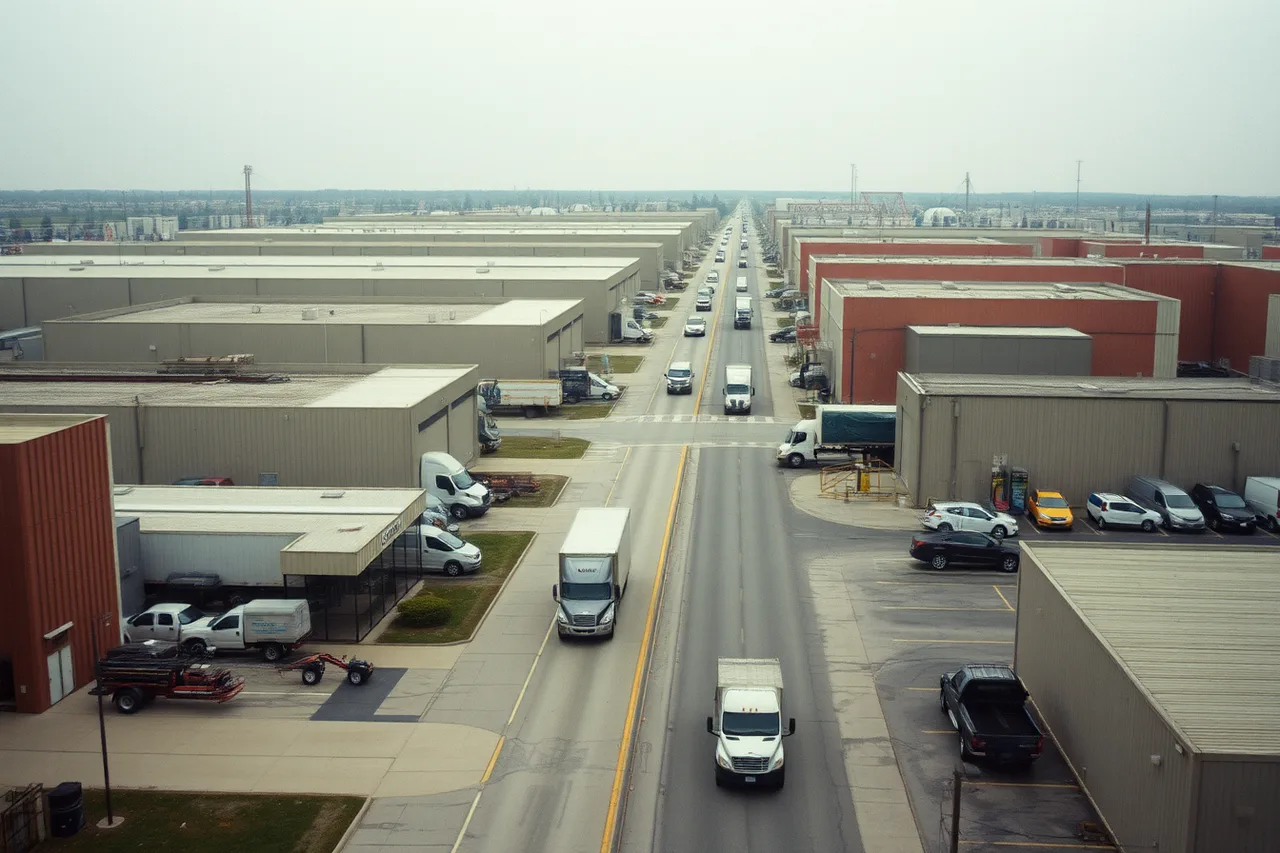
Ford's Rouge complex in Dearborn, GM's Customer Care and Aftersales operation in Warren, and the supplier plants along Mound Road and Van Dyke put parts distribution within a short drive of most shops in the metro.
GM's Customer Care and Aftersales runs the ACDelco and GM Genuine Parts business, so the catalog independents order from is managed in the same county. Mopar, the Stellantis parts brand, runs a distribution center in Center Line, minutes from the counters that serve shops on 8 Mile and Groesbeck.
That density changes the economics of a repair order. When a part is a short drive away, the cost of waiting drops and the cost of a second trip is small. Shops here run leaner stock and still promise same-day finishes on common jobs.
The region also carries a deep bench of technicians who grew up around the industry. See the Automotive Service Technicians and Mechanics occupational outlook.
The Bureau of Labor Statistics tracks employment and wages for automotive service technicians and mechanics, and in a market this size shops compete on pay and schedule, not just on who is hiring.
Michigan runs its own OSHA-approved safety plan, MIOSHA, and its own environmental agency, EGLE, for hazardous waste. Bulk deliveries of oil, coolant and solvent follow state rules here, not only federal ones.
Shop types range from one-bay general repair to large independent chains, and the overview of automobile repair shops covers how parts move through them.
For a shop owner, proximity makes the supplier relationship a daily operational tool. The shop that knows which counter opens earliest and which one will pull a part before the delivery truck rolls wins the morning.
Competition is local and constant. Every independent shop in the metro draws from the same warehouses, so the edge comes from ordering discipline, not from access to parts nobody else can get.
Parts warehouses, jobbers and dealer networks serving independent shops
Detroit-area parts warehouses and jobbers split into three practical tiers. The national chains run most of the volume. NAPA, through Genuine Parts Company, operates hub stores and a regional distribution center for metro Detroit. O'Reilly Auto Parts and AutoZone both run commercial programs from hub stores that deliver to shops, and Advance Auto Parts covers the market through Carquest.
Three Parts Channels for Detroit Shops
Warehouse distributor
- Named examples
- NAPA, O'Reilly, AutoZone
- Typical use
- High-volume daily orders
- Delivery model
- Hub store routes
Michigan-only jobber
- Named examples
- Auto-Wares, Auto Value
- Typical use
- Owner-operated counter holds parts
- Delivery model
- Phone order before paperwork
Dealer network
- Named examples
- Motorcraft, ACDelco, Mopar
- Typical use
- OEM and warranty work
- Delivery model
- Wholesale dealer program
Then there is the Michigan-only layer. Auto-Wares Group of Michigan, based in Grand Rapids, supplies the Auto Value and Bumper to Bumper jobbers many independents here use daily. Those counters are often owner-operated, which is why they hold a part for a known account and take a phone order before the paperwork clears.
LKQ Keystone and similar distributors fill gaps on collision, lighting and alternative parts. They matter to shops that handle light body work alongside mechanical repair.
Dealer parts networks serving independents are the third channel. Ford sells to the trade under Motorcraft, GM through ACDelco and GM Genuine Parts, and Stellantis through Mopar. High-volume dealers such as Bill Brown Ford in Livonia, the Suburban Collection in Novi and Troy, and the LaFontaine stores run wholesale parts programs for independents.
Parts warehouses, jobbers and dealer networks
| Channel | Named examples in metro Detroit | Typical use |
|---|---|---|
| Warehouse distributor | NAPA hubs, O'Reilly commercial hubs, AutoZone commercial | Filters, brakes, fluids, common failure parts |
| Michigan jobber | Auto Value and Bumper to Bumper counters supplied by Auto-Wares | Emergency fills, odd applications, small orders |
| Dealer parts network | Motorcraft, ACDelco and GM Genuine Parts, Mopar | Late-model, VIN-specific, module and sensor work |
Most independents run all three channels. The warehouse distributor handles the routine order, the jobber covers the gap, and the dealer handles what nobody else can source correctly.
Account setup comes first. A new shop needs a Michigan sales tax license, a business license and a credit application before it sees real wholesale pricing. Cash accounts pay more per part until volume is proven.
Delivery routes decide the rest. Ask which route covers your street, what time it runs, and whether the driver will drop at the back door. Better pricing with no route costs more than it saves.
Tool and equipment distributors that shape what a Detroit bay can buy
Tool distributors Detroit shops rely on sell capability, not consumables, and the buying cycle runs in years rather than days.
Snap-on, Matco, Mac Tools and Cornwell Quality Tools run franchise route trucks through the metro on weekly schedules. They sell on credit against a route visit, which works for hand tools and small diagnostic items but carries a high effective cost if the balance rolls.
Fixed-location supply covers the rest. Grainger and Fastenal branches stock shop supplies, and Harbor Freight stores across the metro sell entry-level tooling a new bay can afford while it builds cash.
Lifts, compressors, tire machines and alignment systems come through regional equipment dealers. Hunter Engineering alignment systems, Rotary Lift and Challenger lifts, and Coats tire equipment reach Detroit shops through dealers who install and service them. This is where the equipment brands hold up question matters, because a lift is a ten-year decision and parts availability drives uptime.
Diagnostic tooling is its own budget line. Ford's FDRS software, GM's GDS2 platform and Mopar's wiTECH subscriptions renew every year, whether the bay is busy or not.
That recurring cost is why many shops make the case for used on capital equipment while buying new on software and hand tools. Used lifts and compressors show up often in a market with this much industrial turnover.
New owners often ask what to buy first, and the honest answer is the tooling that matches work already sold, not work they hope to sell.
Financing includes equipment loans and lease structures. The Small Business Administration publishes guidance on surety bonds and additional funding programs that some shops use when a contract or license requires bonding alongside equipment debt.
Lead times, will-call runs and daily ordering rhythms for local shops
Lead time in Detroit is usually measured in hours. A stocked rotor, water pump or set of pads is a same-morning will-call at a NAPA or O'Reilly commercial hub. Parts pulled from the regional distribution center usually land the next day on the regular truck.
Dealer orders break the pattern. A stocked Motorcraft or ACDelco part is often a same-day counter pick at a metro dealer. A VIN-specific module or a part tied to a specific build can take a day or more, and local proximity does not fix that.
A workable daily routine for an independent shop:
Daily Parts Ordering Routine
- Pull next day's schedule and parts status before close
- Place jobber order before early morning cut-off
- Run one mid-morning will-call loop across town
- Confirm pickup times for same-day customer promises
- Log shortages and backorders at close
Will-call converts supplier inventory into shop inventory at no carrying cost. In a market with this many counters, the shop that treats pickup as a scheduled task finishes more jobs on time than the shop that sends a tech when a bay stalls.
Driver costs are real. One parts runner on a fixed loop is cheaper than sending technicians out repeatedly, because a tech in a car is a bay that is not producing.
Backorders are the failure point. When a distributor is out, the shop needs a second source already on the account, not a cold call at 2 p.m.
How supplier proximity affects pricing and margin on common repairs
Michigan applies its 6 percent sales tax to vehicle repairs, with no city or county sales tax layered on top. Quote math here is simpler than in states where local rates stack.
Michigan Repair Tax Rate
6% | Michigan sales tax on vehicle repairs
No city or county sales tax layered on top
Quote math simpler than states with stacked local rates
On a brake job, a shop can price the same pads and rotors through NAPA, an Auto Value jobber and a dealer counter in the same morning. The price gap on a common application is often wide enough to change the ticket.
The margin math is straightforward. A lower acquisition cost produces a lower absolute gross profit at the same percentage markup, which is why many shops here use a matrix that scales markup down as part cost rises.
This is where margins, explained down to the break-even point becomes a daily tool rather than an annual exercise. Parts gross profit has to cover the bay, the tech and the overhead before it covers anything else.
Labor is the other half. A shop that gets the part in two hours bills the labor the same day, which improves cash flow and cuts work-in-progress on the floor.
Industry-wide figures for the repair sector are published by the Bureau of Labor Statistics by industry, and they are useful for benchmarking labor and revenue per bay against the broader market.
Accurate quoting converts supplier access into profit. A shop that quotes from habit, rather than from today's cost, gives away the advantage proximity provides. The prices for profit method builds the quote from current acquisition cost, not last year's.
When to buy OEM versus aftermarket in a factory town
OEM versus aftermarket in Detroit is a per-job decision, not a philosophy. Vehicle age, customer expectation and failure mode set it.
OEM or Aftermarket Part Decision
Is the vehicle under a manufacturer warranty or service contract?
OEM part
Check calibration and fitment needs
OEM makes sense on late-model vehicles, on anything under a manufacturer warranty, and on parts where the aftermarket has known fitment or calibration problems. Sensors, modules and some emissions components fall here, which is why ACDelco, Motorcraft and Mopar stay on the shelf at independents around the metro.
Aftermarket makes sense on older vehicles, on high-volume maintenance items, and on jobs where the customer is weighing a repair against a replacement vehicle. Brakes, filters, belts and many suspension parts are routine aftermarket buys.
A simple decision checklist:
- Is the vehicle still under a manufacturer warranty or a service contract?
- Does the part require calibration or programming that only the OEM tool supports?
- Has the aftermarket version of this part failed before in your shop?
- Is the customer price-sensitive enough that the OEM price will lose the job?
- Does the OEM part carry a longer warranty that justifies the higher cost?
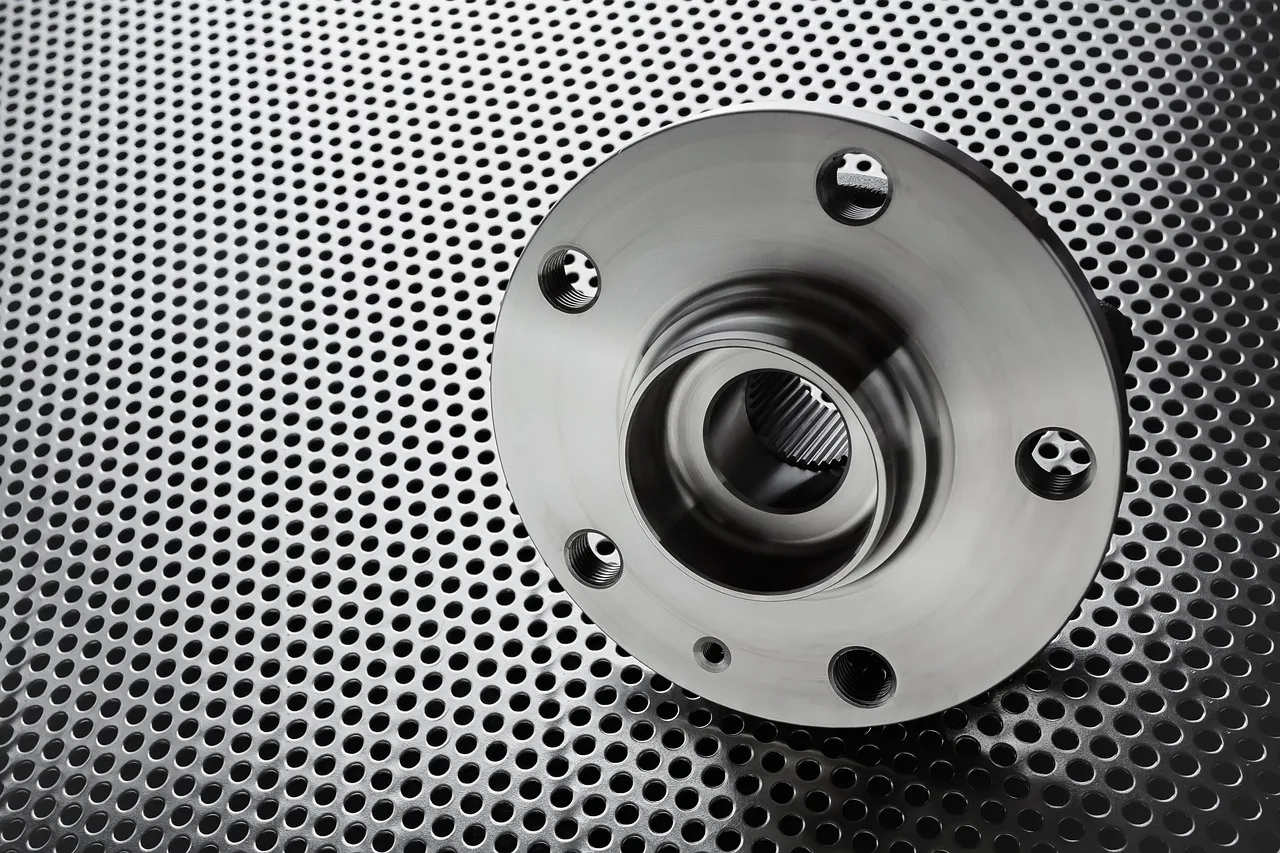
A worked example: a 2019 crossover needs a front wheel bearing. The ACDelco or Motorcraft hub is on the dealer counter the same afternoon at a higher cost, while the aftermarket equivalent sits on the jobber shelf for less.
On a vehicle this new, with a customer who plans to keep it, the OEM part protects against a comeback. On a 2011 sedan with 180,000 miles, the aftermarket part is the better business call.
Warranty handling differs by channel. OEM parts carry a manufacturer warranty the dealer honors, while aftermarket warranties run through the distributor. The shop has to know which one it is administering when a part fails.
The practical rule for a factory town is to price both channels on every significant job and keep both accounts open. Defaulting to one channel leaves money or trust on the table.