
Guides
Auto Repair Shop Trends to Plan For: ADAS and EVs
Auto repair shop trends to plan for: ADAS calibration, hybrid and EV service, tooling cost ranges, technician supply, warranty rates and compliance steps.
What to take away
- ADAS calibration and hybrid or electric service add tooling, training and insurance decisions before the work arrives.
- Technician supply can cap how quickly a shop adds these services.
- First-year readiness for ADAS plus high-voltage work typically runs $8,000 to $40,000 per shop. Treat that as a typical range, not a quote.
- Federal warranty law and state inspection programs shape what you charge and what you must document.
- Four monthly numbers show whether the shift is realcalibration jobs, hybrid and EV jobs, comebacks and technician turnover.
Auto repair shop trends are easiest to see in the mix of work, not total volume. Volume can stay flat while the average repair order changes shape as shops encounter ADAS equipment and hybrid or EV systems. The two shifts this article plans around are ADAS calibration and hybrid or EV service, and both are tooling, training and authorization decisions rather than a forecast. The monthly shop metrics list shows how to read that mix, and the mix informs tooling spend.
Demand areas to plan for
| Trend | What changes | First action | Typical cost or effort |
|---|---|---|---|
| ADAS calibration | Glass, suspension and steering jobs create calibration triggers | Set a threshold for in-house versus sublet work | $1,500 to $12,000 in tooling, typical range |
| Hybrid and EV service | High-voltage authorization becomes a routine requirement | Stage authorization by technician level | $3,000 to $12,000 in tools and PPE, typical range |
| Software-defined vehicles | Programming access gates some repairs | Budget for manufacturer service subscriptions | $1,000 to $5,000 a year per brand, typical range |
| Warranty labor rates | Manufacturers set reimbursement terms | Compare your posted rate with the warranty rate | Office time |
| Inspection and emissions rules | State programs change scope and frequency | Check the current cycle for your state | Office time |
Numbers in this table are typical planning ranges, not market prices. Your own sublet invoices and tool quotes are the real baseline.
ADAS calibration: from occasional to routine
A calibration trigger is any job that moves a sensor, changes ride height or replaces glass. That net widens with every model year.
Forward cameras, radar and ultrasonic sensors now arrive as standard equipment on most new U.S. light vehicles. A windshield replacement that took an hour in 2015 can carry a calibration step that must be documented.
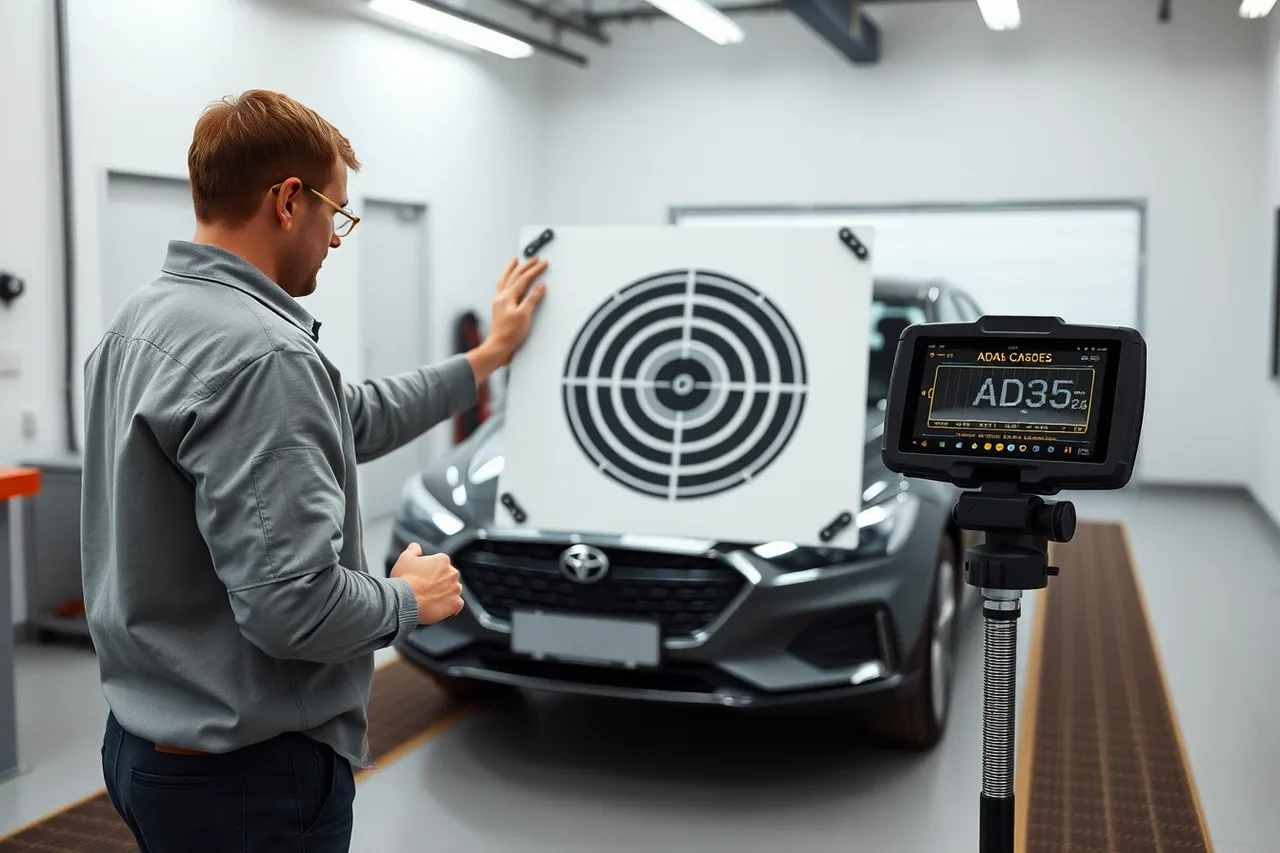
Decide the threshold before the work arrives. Write down which jobs go in-house, which go to a sublet partner, who signs the calibration record, and what evidence stays in the repair order.
A typical calibration sublet runs $150 to $450 per vehicle, a typical range. In-house tooling for one bay usually lands between $1,500 and $12,000. Set the labor behind that work from your own payroll rather than a national average.
Hybrid and EV work arrives in stages
High-voltage work is not one skill. Level 1 covers de-energizing, isolation testing and basic service. Level 2 covers pack work and module replacement. Most independent shops need Level 1 first.
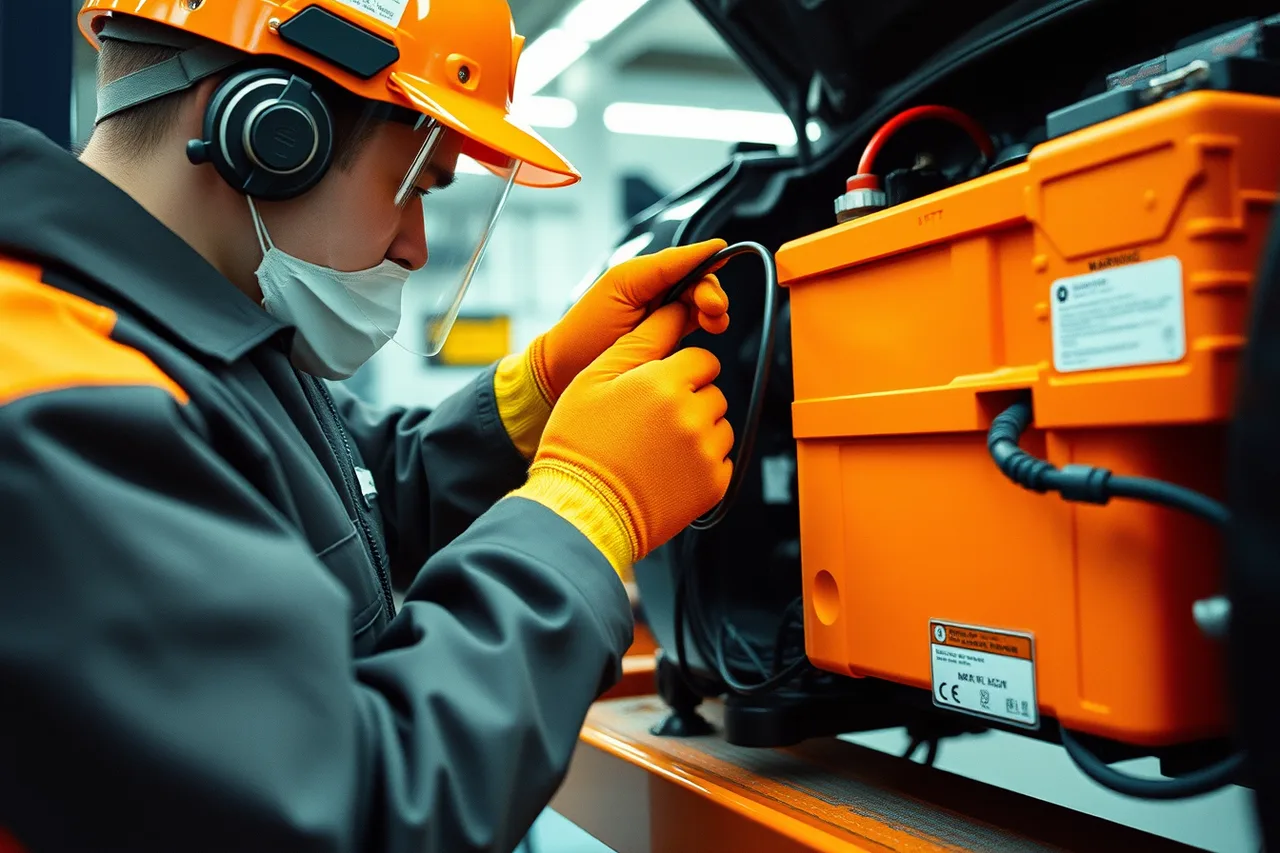
Insurance is the step owners skip. Ask the carrier in writing whether high-voltage work is covered, what authorization each technician must hold, and whether the policy changes once a battery pack is in the bay.
The U.S. Department of Energy Alternative Fuels Data Center covers electric vehicle and charging basics, which answers the charging questions customers bring to the counter.
Technician supply sets the ceiling
Hiring limits how fast any of this reaches your bays. The BLS profile for automotive service technicians and mechanics publishes employment, median pay and the outlook for the occupation. Use it for pay bands instead of a local rumor. The hiring and training guide covers apprenticeships and realistic job previews.
Warranty law and posted rates
Manufacturers set what they pay for warranty work, and the gap against your posted rate is a real cost. The FTC guide to federal warranty law explains duties under the Magnuson-Moss Warranty Act, including what a warranty can and cannot require of an independent shop.
Rules and compliance to track
- EPA Section 608 certification for anyone who buys or handles refrigerant, with lower-GWP refrigerants spreading through the fleet.
- ASE certification in light vehicle repair, and separate certification levels for hybrid and electric work.
- State inspection and emissions programs, whose scope and cycle differ by state.
- Local electrical permits if you install charging equipment on site.
Example: the first 90 days at a two-bay shop
- Pull 12 months of repair orders and count every job that touched a sensor, camera, windshield or ride height. That count is your calibration baseline.
- Price one calibration-capable tool package and a year of subscription, then compare it against your sublet spend for the same jobs.
- Write the thresholdin-house, sublet or refused, plus who signs each calibration record.
- Ask the insurer and the tool vendor what authorization and PPE the first high-voltage job requires.
- Post the calibration line on every estimate, which the quote template with pricing examples formats for you.