Guides
How to start auto repair shop: a launch-planning outline
How to start auto repair shop with a practical launch sequence covering entity setup, permits, funding, location, equipment, staffing, and opening review.
What to take away
- Opening a shop follows a set orderentity, tax IDs, permits, funding, location, equipment, hiring, launch.
- The cash gap decides more failures than the tool list. Rent and payroll land before steady work does.
- Licensing runs at state, federal and local levels, with environmental permits on top.
- Test demand at the address before a leasecompetitor bays, fleet accounts, passing traffic.
- Buy bays and tools the opening job mix keeps busy, then add specialty gear when the work pays.
This is general business information, not legal, tax, insurance or repair advice. Permit, licensing and inspection rules vary by state, province and the service work you accept. Confirm current requirements with the issuing agency before you commit money.
The startup sequence, in order
- Write a short business planservices, target vehicles, labor rate, startup costs and the monthly revenue the shop must clear.
- Choose the entity type, such as a sole proprietorship, partnership, limited liability company (LLC) or corporation, then register it with the state and appoint a registered agent.
- Apply for an employer identification number and any state tax accounts.
- Confirm zoning, parking and building code for the address.
- Close financing and working capital before signing a lease.
- Fit out the bays, install lifts and buy the opening tool set.
- Hire the launch crew, choose a shop management system for estimates, work orders and invoices, and write the work order flow.
- Open, then review the first ninety days of work orders against the plan.
The entity choice is mostly about liability and tax. The U.S. Small Business Administration notes that an LLC or a corporation can protect your personal property from lawsuits, although that protection has limits. Most states require you to register with the Secretary of State's office, a Business Bureau, or a Business Agency.
Working capital is the step most owners underprice, and the break-even calculation shows the monthly revenue a lease has to clear before it is worth signing.
Two steps gate the rest. A local business license needs a registered entity and a fixed address. A landlord wants proof of funds before a signature.
Startup money: the lines that decide the answer
Startup money
| Cost line | Indicative range | What moves it |
|---|---|---|
| Rent deposit and first months | 3 to 6 months of rent | Landlord terms and local market |
| Bay fit-out, lifts and shop wiring | 25,000 to 120,000 USD | Whether the space was already a shop |
| Diagnostic, alignment and specialty tools | 8,000 to 40,000 USD | Makes and systems you accept |
| Working capital | 3 to 6 months of fixed costs | How fast work orders arrive |
| Insurance and permits, first year | 4,000 to 15,000 USD | Coverage limits and state fees |
Every figure is a planning range, not a quote. Local rent, building condition and the vehicle makes you accept move all five lines by large amounts.
The SBA business guide gathers startup costs, permits, insurance, financing and hiring in one place, which helps you see which lines can be financed. For the financing itself, the SBA's own loan programs are the usual starting point: 7(a) loans, the SBA's primary program for long-term financing, delivered by SBA 7(a) lenders; 504 loans; and microloans, provided by intermediary lenders. Lifts and diagnostic equipment can also be financed or leased through equipment lenders, which keeps cash for the working capital line.
Licensing, tax IDs and insurance: what to file
- State business registration for the entity, plus a registered agent.
- Federal employer identification number from the IRS.
- State sales tax permit for parts and materials, from the state tax agency (often called the Department of Revenue).
- A state repair-dealer license where one exists. In California, for example, the Bureau of Automotive Repair's automotive repair dealer license is required to diagnose, service, or repair vehicles for compensation, including mobile, referral and sublet repair.
- Local business license and zoning approval for the exact address.
- Environmental permits for used oil, coolant and refrigerant handling, issued or overseen by the U.S. Environmental Protection Agency (EPA) or the state environmental agency it authorizes.
- Hazardous waste generator identification where the state requires it. Under the Resource Conservation and Recovery Act (RCRA), large and small quantity generators of hazardous waste must obtain an EPA identification number using EPA Form 8700-12, the Site Identification Form, submitted to the authorized state agency, or to the EPA regional office if the state is not authorized to run the RCRA Subtitle C program.
- Section 609 certification for every technician who services vehicle air conditioning. The EPA requires anyone who repairs or services a motor vehicle air conditioning system for payment to be trained and certified under section 609 of the Clean Air Act by an EPA-approved program.
- Garage keepers legal liability and garage operations coverage.
- Workers compensation and commercial auto where state rules demand them.
Most owners need state, local and federal filings, not one. Shops that store used oil, coolant or refrigerant usually need environmental registrations on top of a business license.
Insurance carries its own deadlines. Garage keepers legal liability covers customer vehicles in your care and is not the same as general liability.
Our guide to repair shop licensing maps the filings by level of government, which saves calling three agencies to build one list.
Demand and location checks before a lease
Competitor density comes first. Count bays within a ten minute drive that serve the same vehicle makes, then compare posted labor rates with the rate you plan to charge.
Fleet accounts, dealership overflow and inspection work fill gaps that retail alone leaves open. Visit the address at 7am and 5pm to see the traffic that actually passes.
Local wages anchor the hiring math. The Bureau of Labor Statistics' Occupational Employment and Wage Statistics wage data by state gives mean hourly pay for automotive service technicians, which tells you what a lead technician costs in your market. The estimates on that page come from the May 2022 release, so check your own state and metro area there, and any newer release, before setting a pay rate.
Equipment and bay capacity
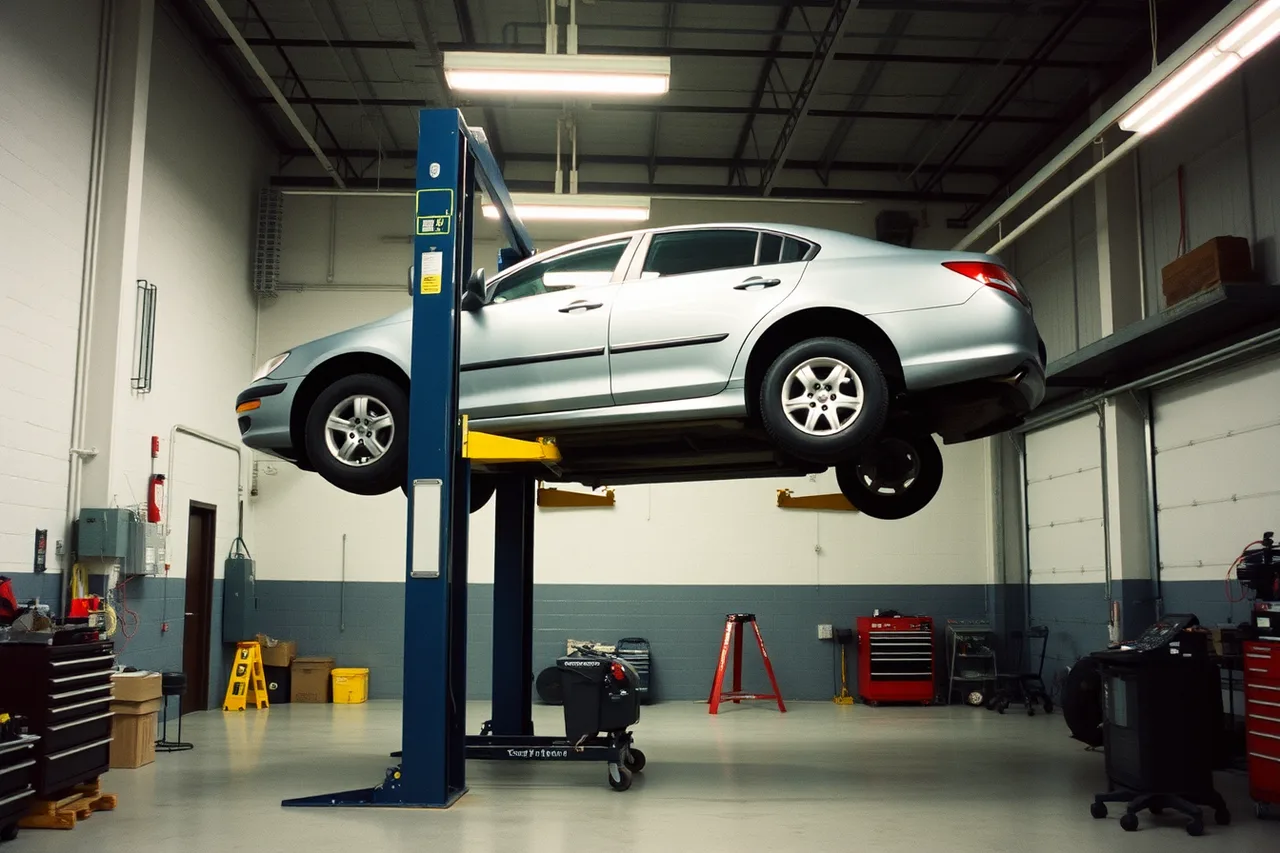
A two-post lift sets daily capacity. A second lift earns its keep only when the first stays busy.
Diagnostic capability decides which jobs you can quote. A scan tool with manufacturer coverage costs more than a generic code reader and wins work the reader cannot.
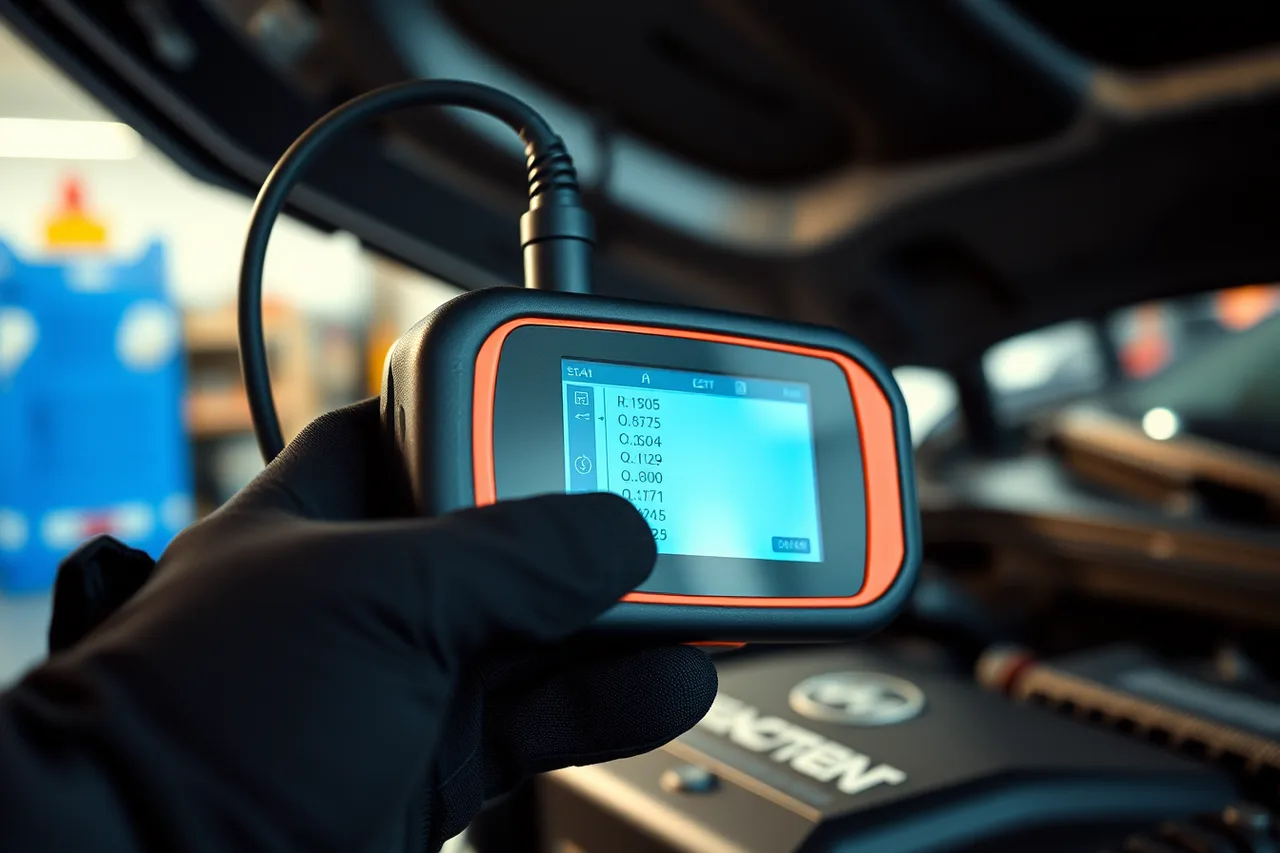
Our opening equipment checklist orders the purchases by job type, so tool money lands where the work orders are.
Example: twelve months from decision to first paid work order
- Months 1 to 2entity, EIN, bank account, license research.
- Months 2 to 4funding, site search, zoning checks.
- Months 4 to 6lease, fit-out permits, lift installation.
- Months 6 to 8tool set, insurance, lead technician hired.
- Months 8 to 9shop management system set up, business listing and website live, fleet and dealership contacts approached.
- Months 9 to 12soft opening, then a work order and pricing review.
The first customers rarely come from advertising alone. A claimed map listing with hours and services, a short list of fleet operators and dealerships to visit in person, and a follow-up message after every completed work order usually fill the first bays faster than paid ads.
The plan holds only if one competent technician says yes. Our piece on hiring technicians who stay covers the interview and pay structure that shape the first year more than the lift brand does.